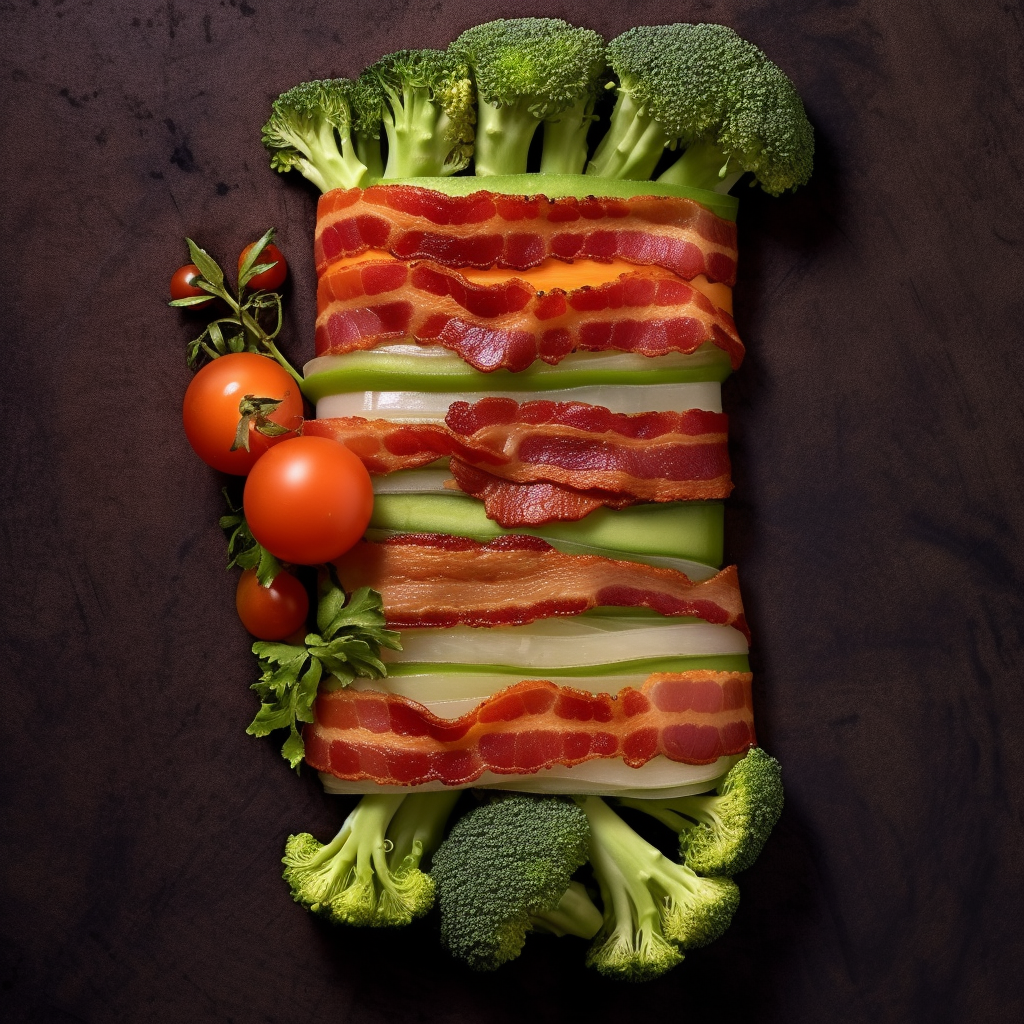
Get ready for a groundbreaking culinary revelation that has sent shockwaves through the vegan community. Scientists have recently made an astonishing discovery that could forever change the way we perceive plant-based diets. Prepare yourself as we unveil the ultimate hack: transforming vegetables into bacon! However, this unexpected revelation has not been met with universal celebration. Vegans around the world are expressing their outrage and disbelief. Let’s dive into this contentious topic and explore the implications.
The Quest for Plant-Based Bacon:
For years, food scientists have been on a relentless quest to create a plant-based alternative to bacon that captures the same smoky, savory essence. Countless experiments and iterations have led to the development of various substitutes, ranging from tempeh and tofu strips to mushroom-based alternatives. While these options have satisfied some taste buds, none have truly replicated the iconic taste and texture of traditional bacon. That is until now.
The Breakthrough:
A team of dedicated scientists has successfully cracked the code to create a vegetable-based bacon that closely resembles the real thing. Through a combination of innovative techniques and a deep understanding of flavor chemistry, they have crafted a plant-based product that mimics the smoky aroma, crispy texture, and mouthwatering taste of traditional bacon. The breakthrough has ignited excitement among food enthusiasts and culinary explorers around the globe.
The Controversy:
While the scientific community celebrates this milestone, the news has left many vegans feeling betrayed. Vegans, who follow a strict plant-based diet, often choose to avoid animal-derived products due to ethical and environmental reasons. They argue that creating a vegetable-based bacon that closely imitates the taste and texture of real bacon goes against the principles of veganism and may even lead to confusion or temptation among those committed to a cruelty-free lifestyle.
The Vegans’ Dilemma:
For vegans, the emergence of plant-based bacon raises complex ethical questions. While it provides an opportunity to indulge in the familiar flavors they may have left behind, it also challenges their dedication to avoiding animal products altogether. Some vegans argue that creating vegetable-based versions of meat products perpetuates the notion that meat is an essential part of the diet, which contradicts their belief in a compassionate and sustainable lifestyle.
The Potential Impact:
Despite the controversy, the development of vegetable-based bacon holds potential benefits. It provides an alternative for those seeking a transition to a plant-based diet or for individuals looking to reduce their meat consumption without sacrificing taste. Additionally, it opens doors for creative culinary exploration, enabling chefs and home cooks to experiment with new flavors and create dishes that cater to a wider range of dietary preferences.
A Food Revolution:
The discovery of turning vegetables into bacon signifies a larger food revolution that is taking place. It showcases the incredible advancements in food science and the continuous pursuit of innovative solutions to meet the changing needs and preferences of individuals around the world. While it may spark debates and divisions within the vegan community, it also encourages dialogue and reflection on the evolving definition of veganism in a modern society.
The Future of Food:
As we navigate this complex landscape of plant-based innovations, it is essential to consider the diverse perspectives and values that shape our dietary choices. The development of vegetable-based bacon challenges us to think critically about the ethical implications of food production and consumption. It also serves as a reminder that our culinary journey is constantly evolving, driven by the pursuit of taste, health, and sustainability.